Fenix Language Institute Zacatecas
Zacatecas is therefore, a city with many samples of rich past that are still present
Zacatecas History
History of Zacatecas
 It took Hernan Cortez 2 years to conquer the great city of Tenochtitlan; the conquest of northern Mexico cost the Spaniards more than 40 years, on account of its geography and population.
Both for its strategic position and for having been the first city in the northern section of the country, Zacatecas was called "The Civilizer of the North." It was from this city that the great Spanish expeditions departed for all points north and west, from Durango to all of what is now the southern United States, including Santa Fe, New Mexico.
It took Hernan Cortez 2 years to conquer the great city of Tenochtitlan; the conquest of northern Mexico cost the Spaniards more than 40 years, on account of its geography and population.
Both for its strategic position and for having been the first city in the northern section of the country, Zacatecas was called "The Civilizer of the North." It was from this city that the great Spanish expeditions departed for all points north and west, from Durango to all of what is now the southern United States, including Santa Fe, New Mexico.
During colonial times, the chief economic activity of the state, including the city of Zacatecas, was mining. The Spaniards used the local Indians as workers, making Zacatecas the principal source of silver in the world.
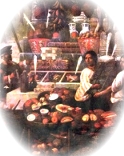 Zacatecas economic and colonizing roles gave rise to a unique, peculiarly northern Mexican culture. Zacatecas, unlike many southern Mexican cities, is essentially a "mestiza" or "mixed" city of Spanish and Indian elements, a mixture reflected in its architecture and in the customs of the people.
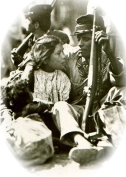 The Mexican Revolution was the turning point in modern Mexican history shaping its economic, social and political destiny. The key battles of the war took place in northern Mexico, in part due to its proximity to the United States. Here, too, Zacatecas had a major role as the site of some of the Revolution's most decisive engagements. It was here that Pancho Villa defeated the federal army in the most important conflict of the war, giving the upper hand to the revolutionary movement. Today, the Museum of the Revolution retells this exciting part of the Zacatecas history.
